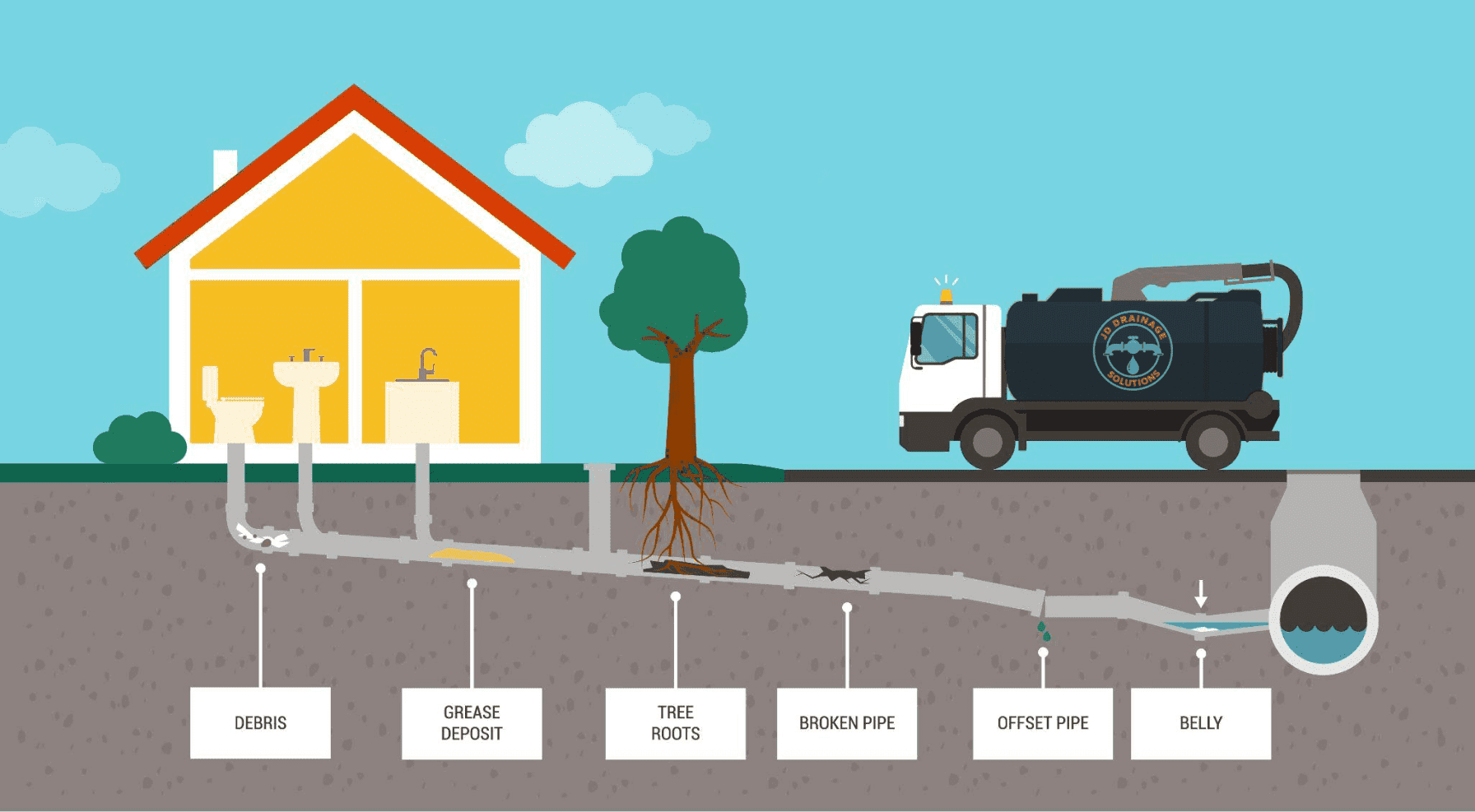
Blocked drains are a common issue for many Dorset households due to the region’s blend of older cottages, coastal homes and modern developments. Each property type can face different drainage challenges, and understanding the causes is the best way to prevent more serious faults. In older villages such as Cerne Abbas, Upwey and Puddletown, many homes still rely on original clay or pitch fibre drainage systems. These materials are far more vulnerable to cracks, root intrusion and internal deterioration. Even small defects can trap debris and slow drainage, eventually causing full blockages. Coastal areas around Weymouth and Swanage also experience issues because strong winds bring sand and organic material into guttering and outdoor drains. As these deposits build up, they reduce water flow and cause pooling on patios, paths and driveways. In more modern estates found in places like Poundbury or north Dorchester, blocked drains are often linked to heavy domestic use. Washing machines, dishwashers and showers produce waste water that carries soap residue, oils and lint. Over time these materials harden inside the pipework, particularly where bends or joints restrict flow. Dorset’s high number of rural and agricultural properties adds another challenge, since silt and soil movement can cause external drains to collapse or become misaligned. Seasonal weather changes also play a role. After periods of heavy rain, drainage systems can become overworked, leaving little opportunity for blockages to clear naturally. The increased water pressure forces debris deeper into the pipe network, creating a larger obstruction that requires professional attention. Recognising the causes helps homeowners take early action, and this can prevent costly repairs. Small behavioural changes like avoiding the disposal of fats, oils and wipes can make a big difference. Regularly checking gully pots, garden drains and pipe grates also helps, especially during autumn when leaves accumulate quickly. Property owners should also pay attention to the performance of their internal fixtures. Slow draining baths, raised water levels in toilets and bubbling sounds from sinks are not minor inconveniences, they are early warnings that something inside the drainage system is becoming obstructed. Taking these signs seriously and acting quickly can prevent structural damage, foul odours and unexpected flooding. Understanding how Dorset’s environment and property types influence drainage health is the first step in maintaining a safe and efficient system.
Many homeowners in Dorset only seek help once a drain has fully blocked, but drainage problems rarely appear without warning. Subtle changes within the home or around the garden often signal that something in the system is already struggling. The most common sign is slow drainage. When water lingers in sinks, baths or showers for longer than usual, it typically means that soap scum, hair, grease or other materials are narrowing the internal pipe space. While this may seem like a minor inconvenience, it often points to an obstruction deeper in the system. The longer this is ignored, the more likely it is that the blockage will grow and eventually prevent water from passing through at all. Unusual noises are another early sign that many residents overlook. Gurgling or bubbling sounds inside sinks or toilets occur when air is trapped in the drainage system. This happens because water cannot flow freely, creating pockets of air that escape through fixtures. These noises should never be disregarded, as they often indicate a developing obstruction. In older Dorset towns such as Bridport or Sherborne, unusual smells are also a key warning sign. Foul odours can appear when organic waste becomes trapped and begins to break down. These smells often drift through internal drains or appear outside near inspection chambers and gully pots. Changes outside the home also provide important clues. If water pools around garden drains after light rainfall, it may suggest that the system is struggling to cope even during normal weather conditions. This is especially common in areas with clay rich soil, which is prone to movement. Misaligned or damaged pipes create narrow points where waste builds up. Damp patches on lawns or driveways can also signal underground leaks. If water is escaping the system before reaching the main sewer, it can soften the soil and create depressions on the surface. Dampness near the base of exterior walls should also be taken seriously as it might indicate rising water from a drainage fault. These signs are easy to miss in the early stages, particularly in busy households, but they provide a valuable opportunity to address problems before they escalate. Many Dorset properties have drainage systems that are decades old, so any early symptoms deserve attention. Calling a professional drainage engineer at the first sign of trouble can prevent damage, protect the home from flooding and avoid expensive excavation work. By learning to recognise and act upon these subtle warnings, homeowners can maintain healthy drains and preserve the long term stability of their property.
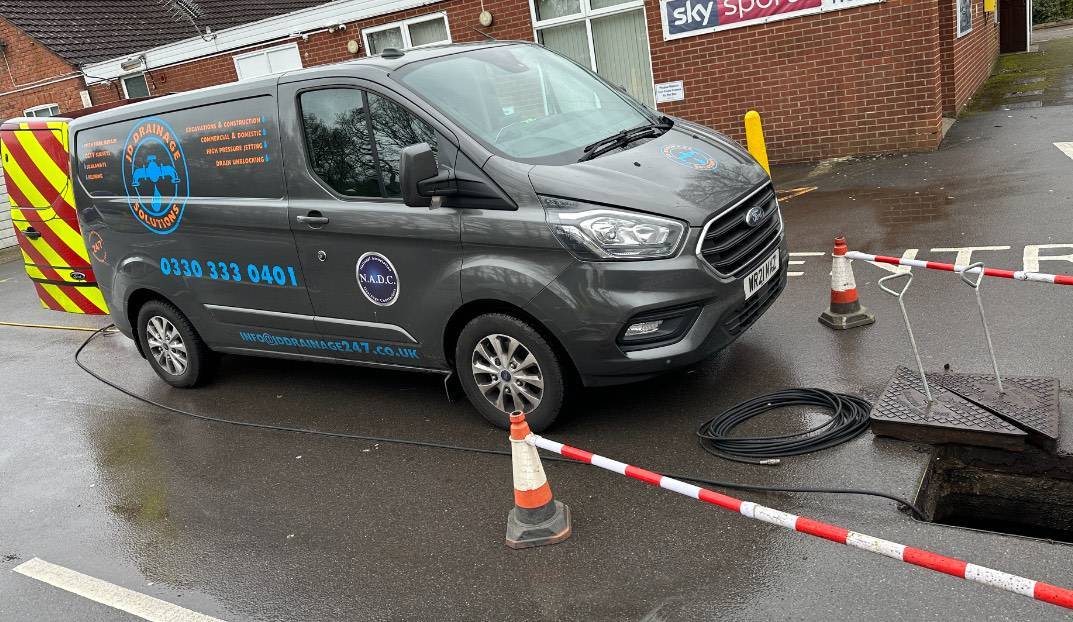
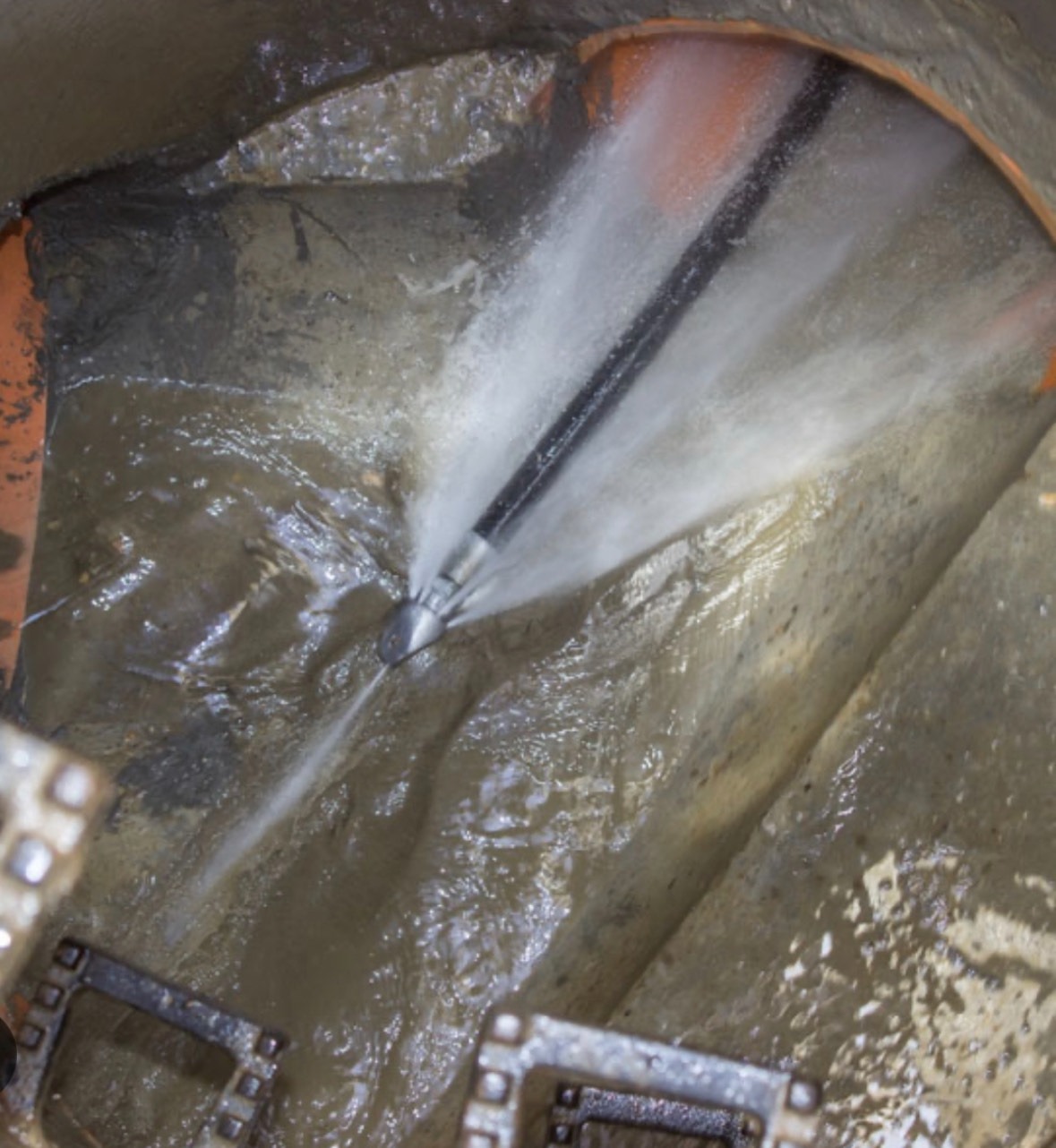
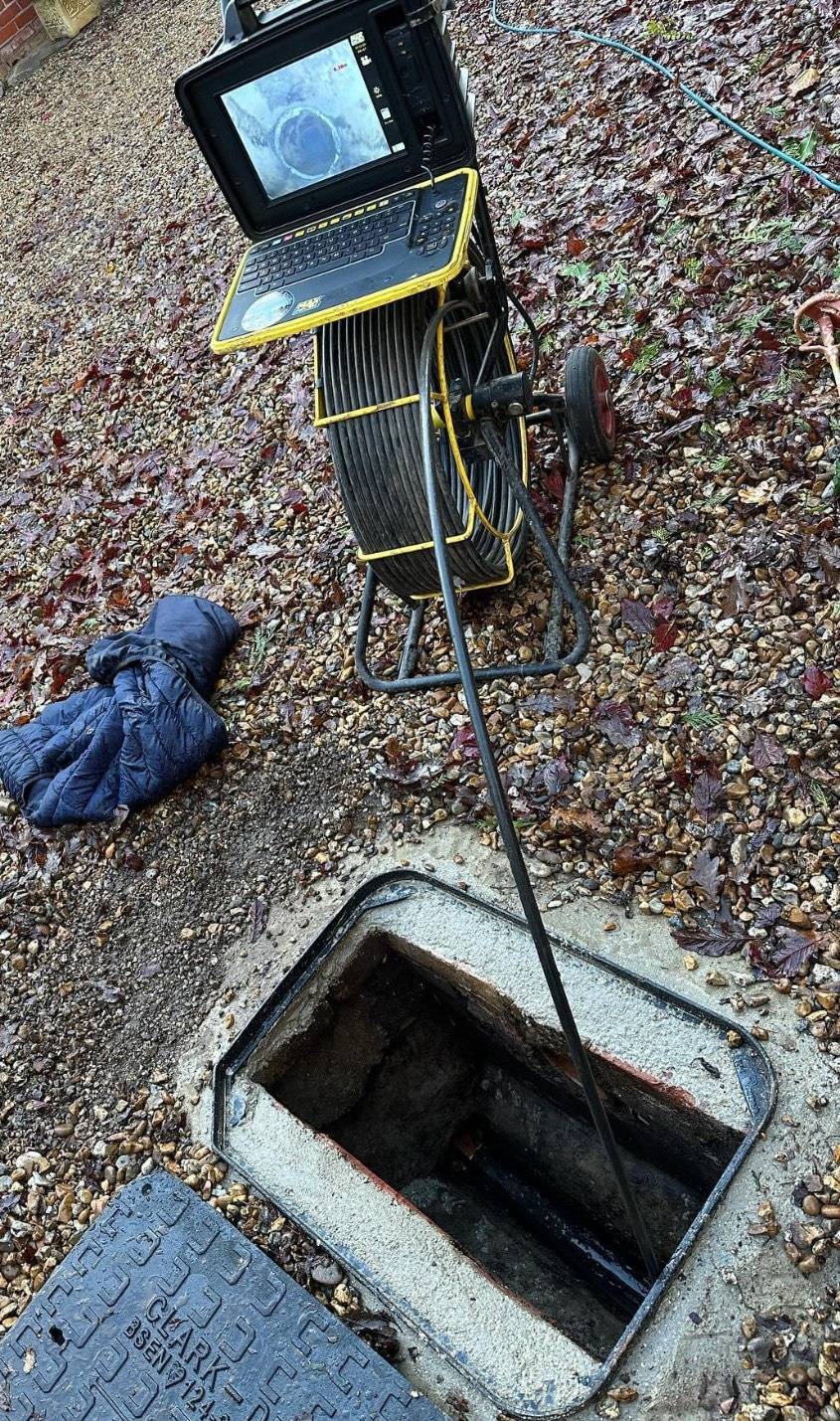
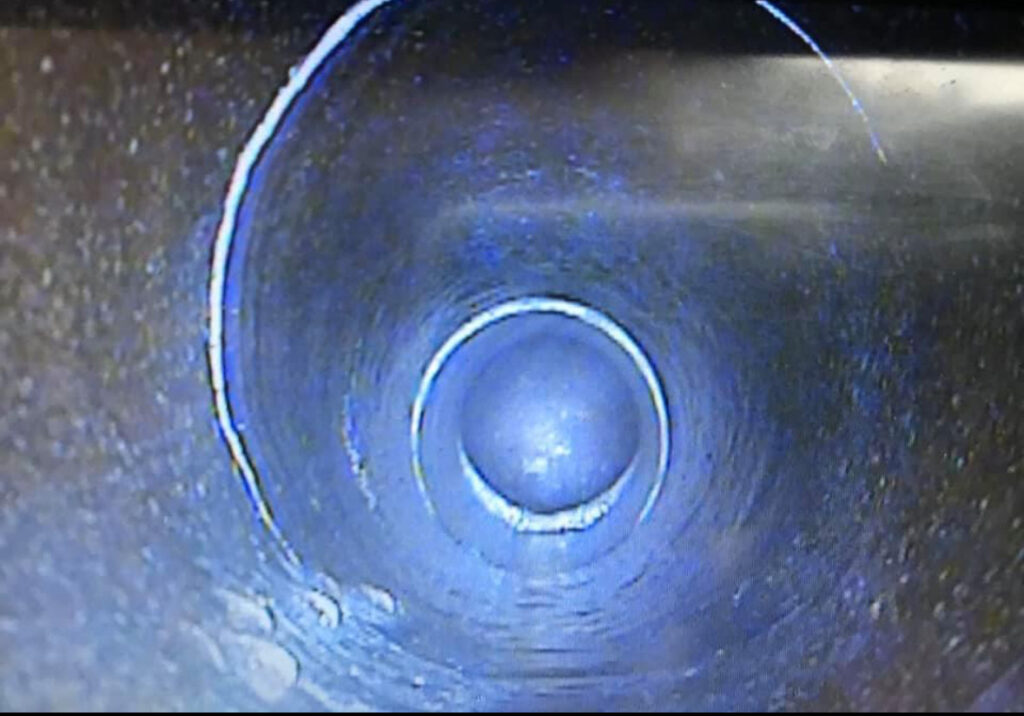
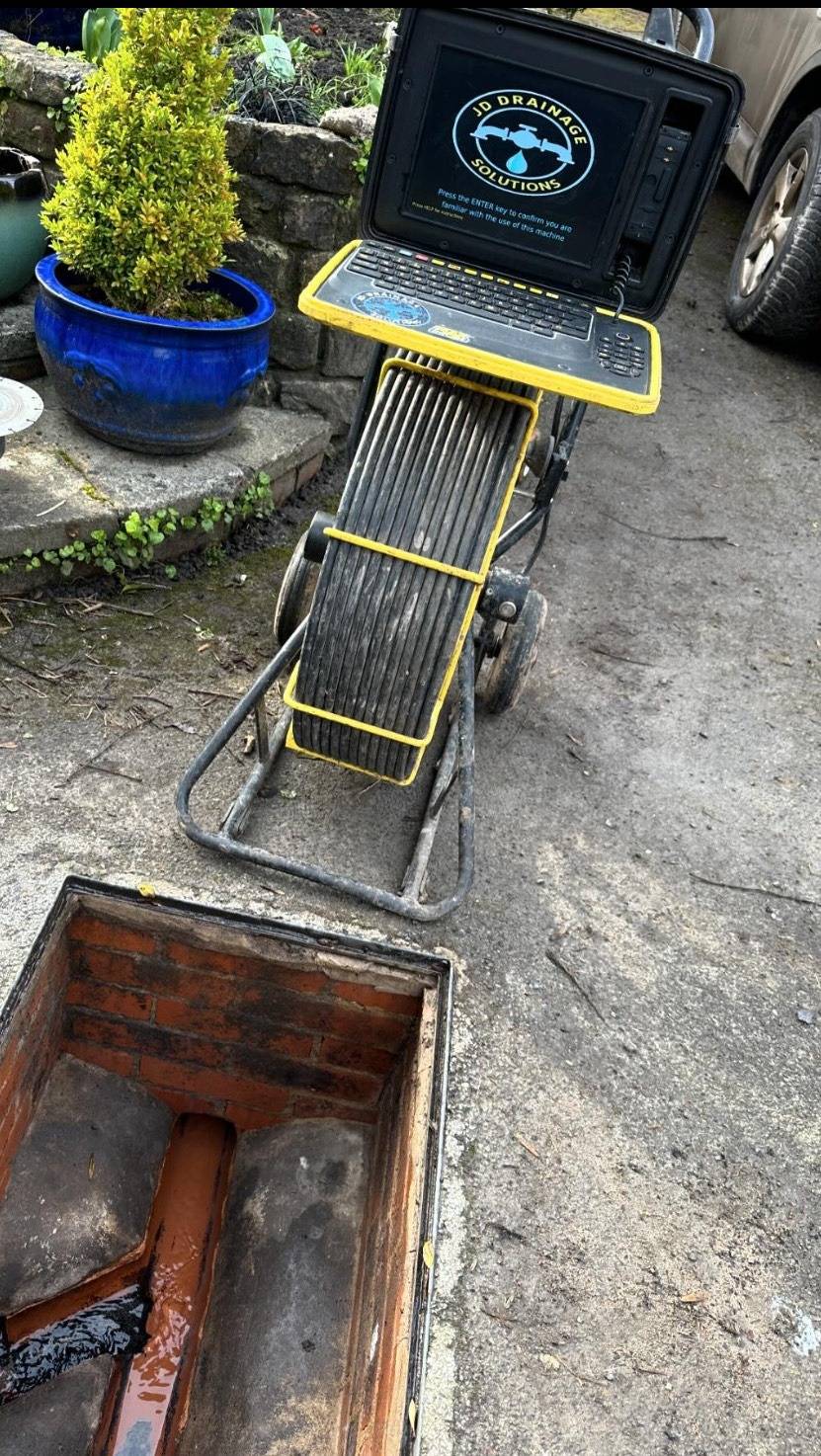
Knowing when to call a professional drainage engineer is vital for preventing small drainage issues from turning into disruptive and costly problems. Dorset residents often attempt quick fixes with plungers or shop bought chemicals, but these solutions usually offer temporary relief and can cause further damage if used repeatedly. A professional should be called as soon as early warning signs appear, especially if several fixtures are affected at the same time. When sinks, showers and toilets begin draining slowly together, the issue is usually located deeper within the system and cannot be fixed with surface level methods. Persistent odours, particularly those that linger after cleaning, are another clear signal that expert help is needed. These smells can come from decomposing waste or stagnant water trapped behind a blockage. A trained engineer can identify the exact location of the obstruction using CCTV drain surveys, ensuring the correct repair is carried out. If there are signs of damp patches, soft ground or depressions forming outside the home, this may indicate a more serious problem such as a collapsed or leaking pipe. Excavation or drain relining may be required in these situations, and delaying the repair risks structural damage to the property. If you experience repeated blockages in the same drain, this is a sign that the underlying issue has not been addressed. In areas like Dorchester, Weymouth or Wimborne, many properties have ageing drainage systems that deteriorate internally. Scale build up, corrosion and root intrusion can create recurring problems that only professional tools can remove. High pressure water jetting is far more effective than household methods because it cleans the full pipe bore and removes debris that would otherwise continue to cause obstruction. Engineers may also recommend relining to reinforce weakened pipe walls. A professional should also be contacted when water begins backing up into sinks, toilets or external gullies. Backflow indicates a significant blockage that is preventing the system from releasing wastewater into the main sewer. This situation can escalate quickly, particularly during periods of heavy rainfall, increasing the risk of internal flooding. Emergency drainage services are available around the clock and are essential for protecting the home in situations where immediate action is required. Calling a drainage specialist early saves homeowners time, stress and money. Skilled engineers have the tools and experience to diagnose problems accurately and provide long lasting solutions. Dorset’s unique mixture of coastal, rural and historic properties means that drainage systems can vary greatly, and professional insight is essential for maintaining them properly. By recognising when expert help is necessary, homeowners can protect both their property and their peace of mind.
Step 1
Start by completing the 'Get a Free Quote' form on our website to share your needs with us.
Step 2
We'll arrange a property visit at a time that works for you to provide an in-person quote for you
Step 3
After you approve our quote, we'll schedule a date to complete the job.
Bournemouth
Dorset
Hampshire
Blanford Forum
Southampton
Basingstoke
Winchester
Dorchester
Salisbury