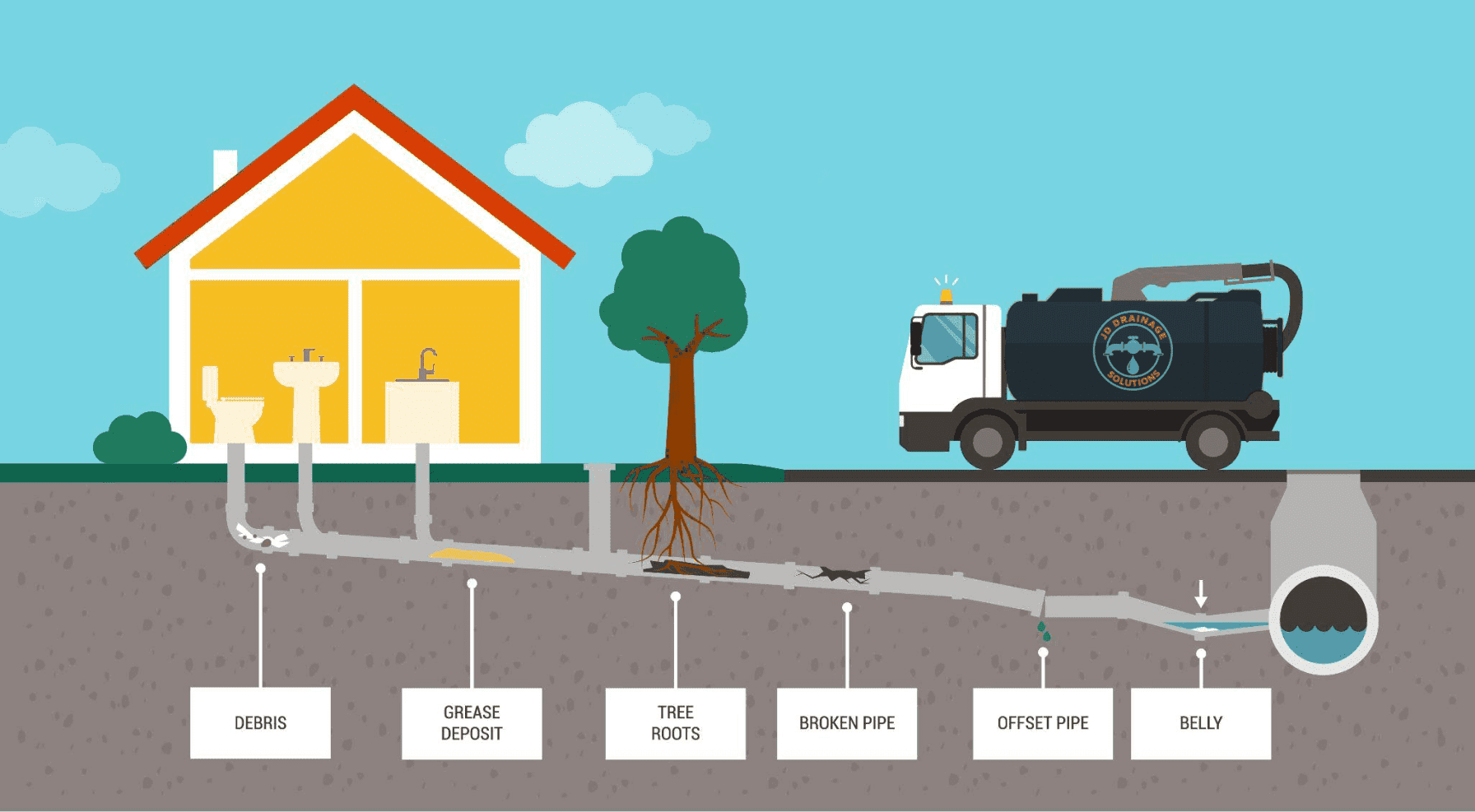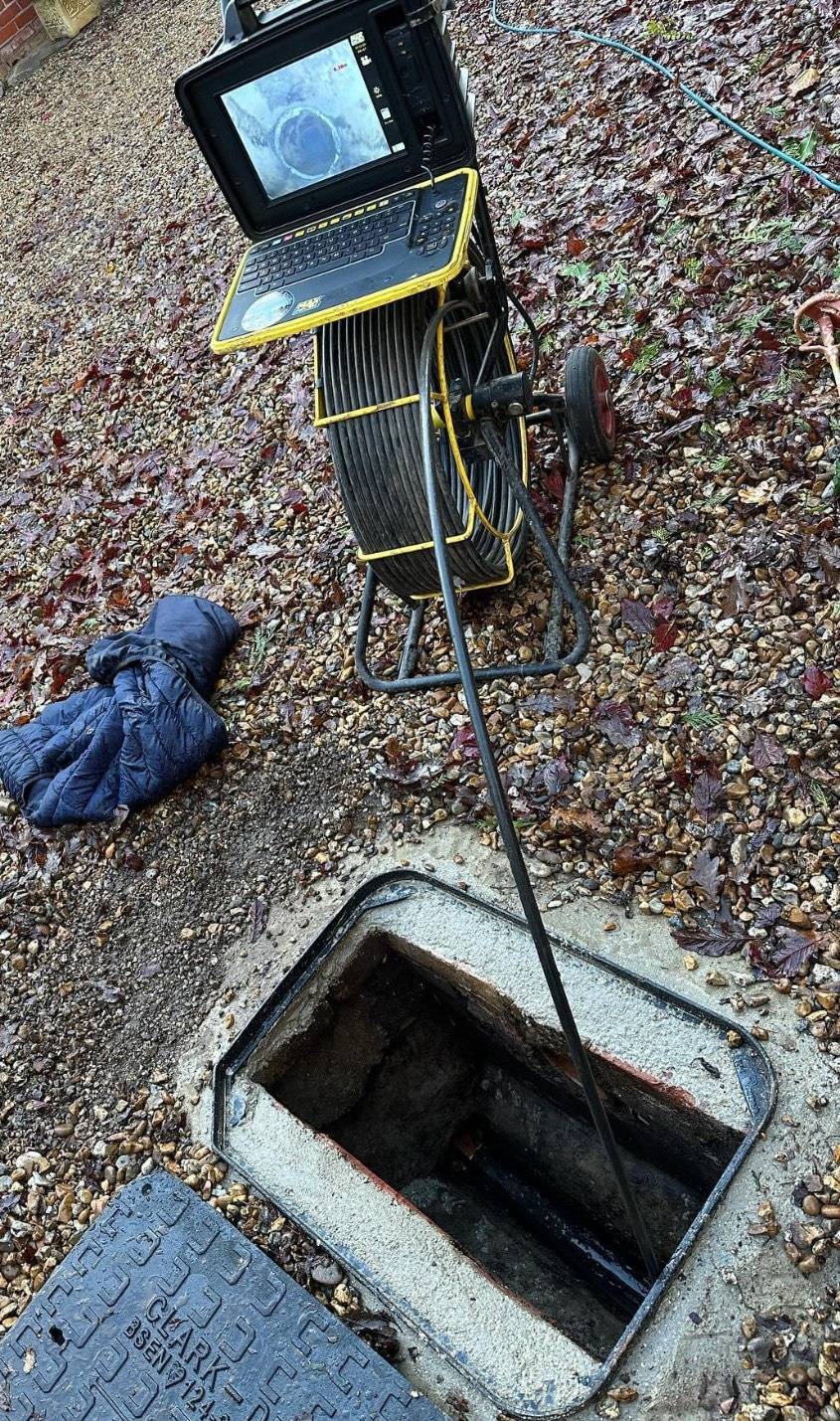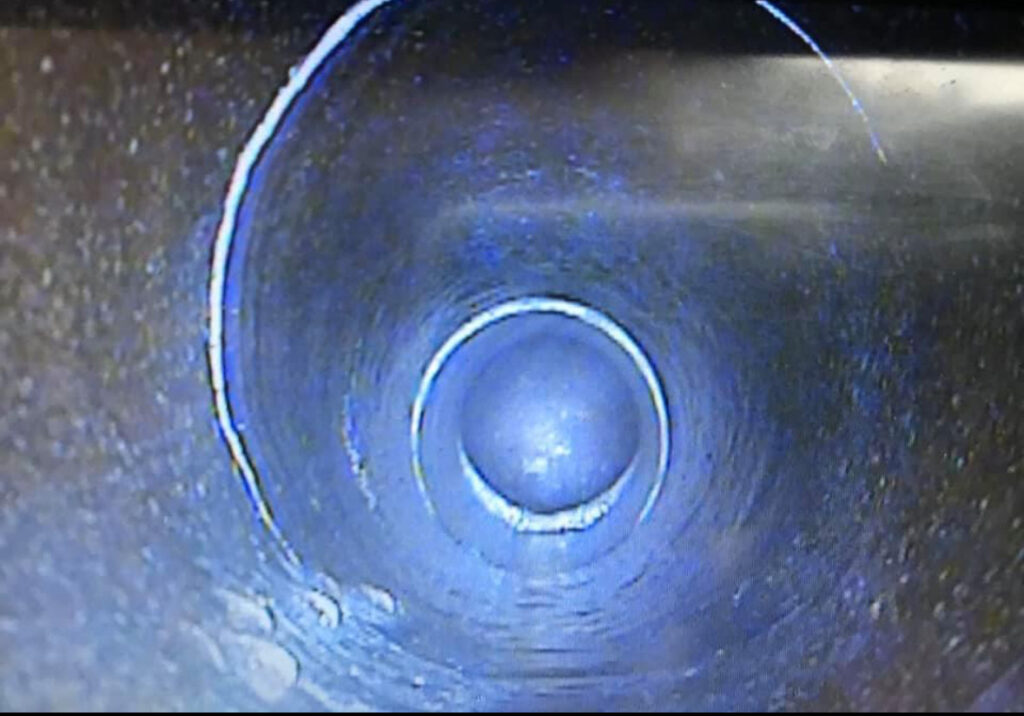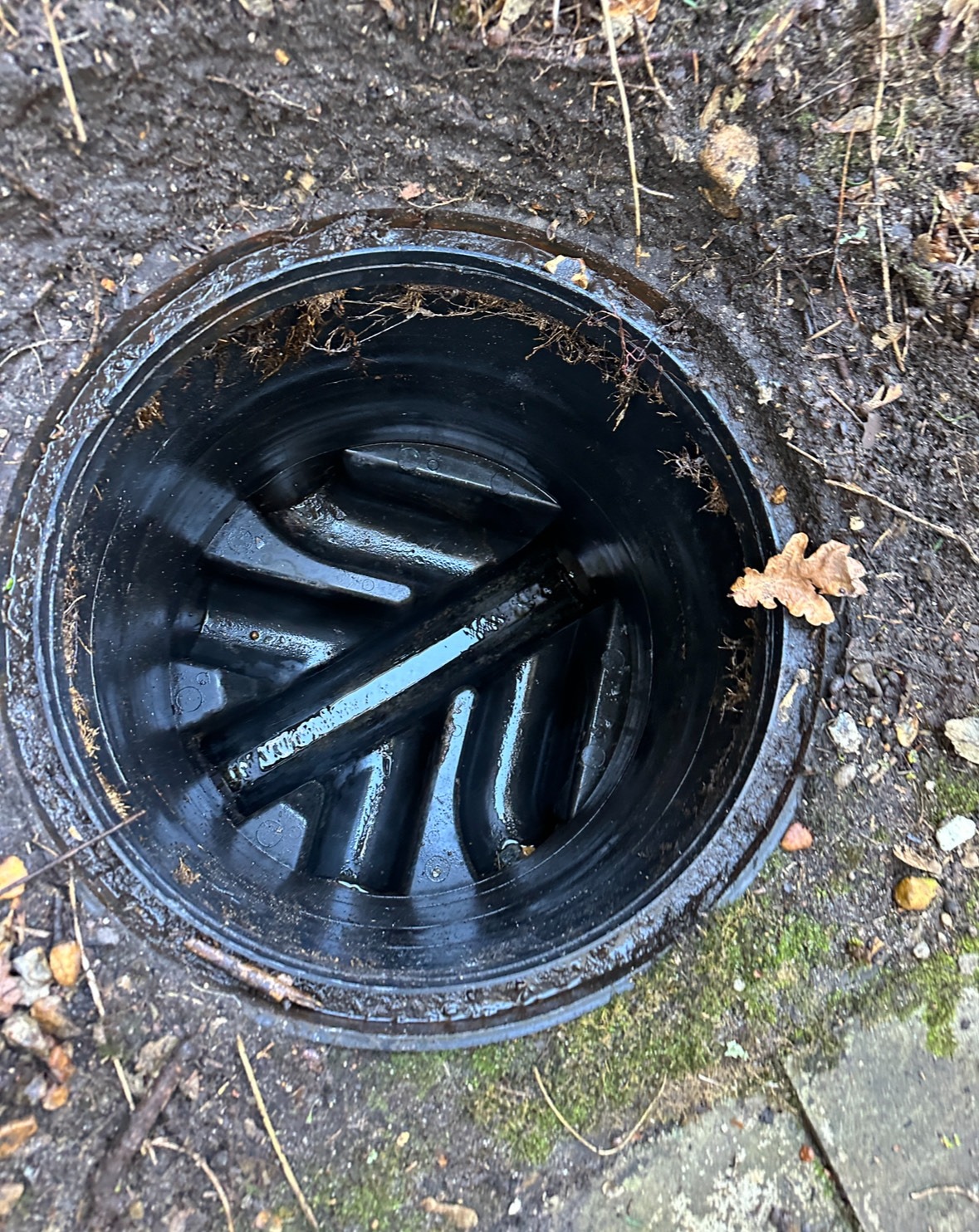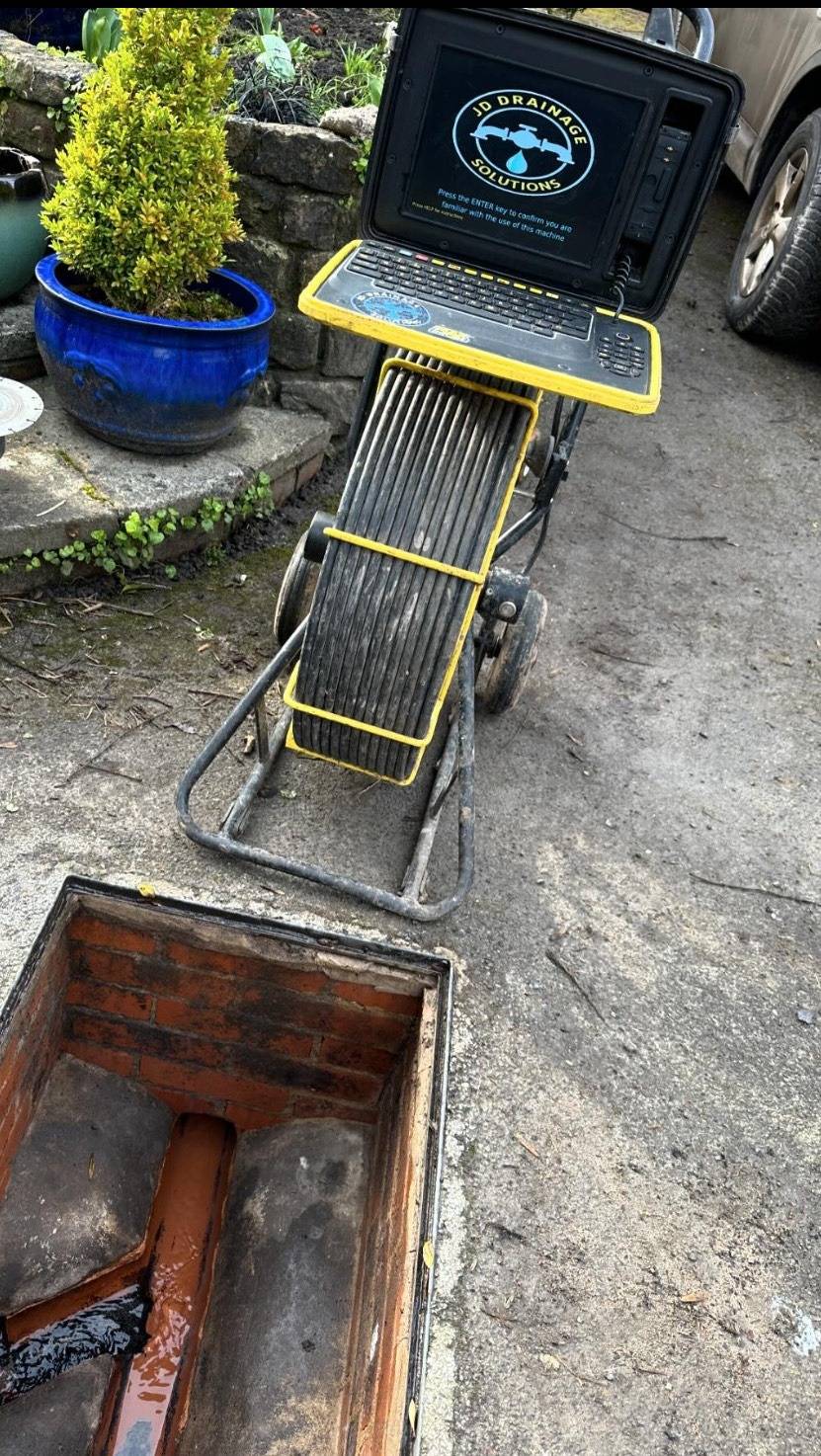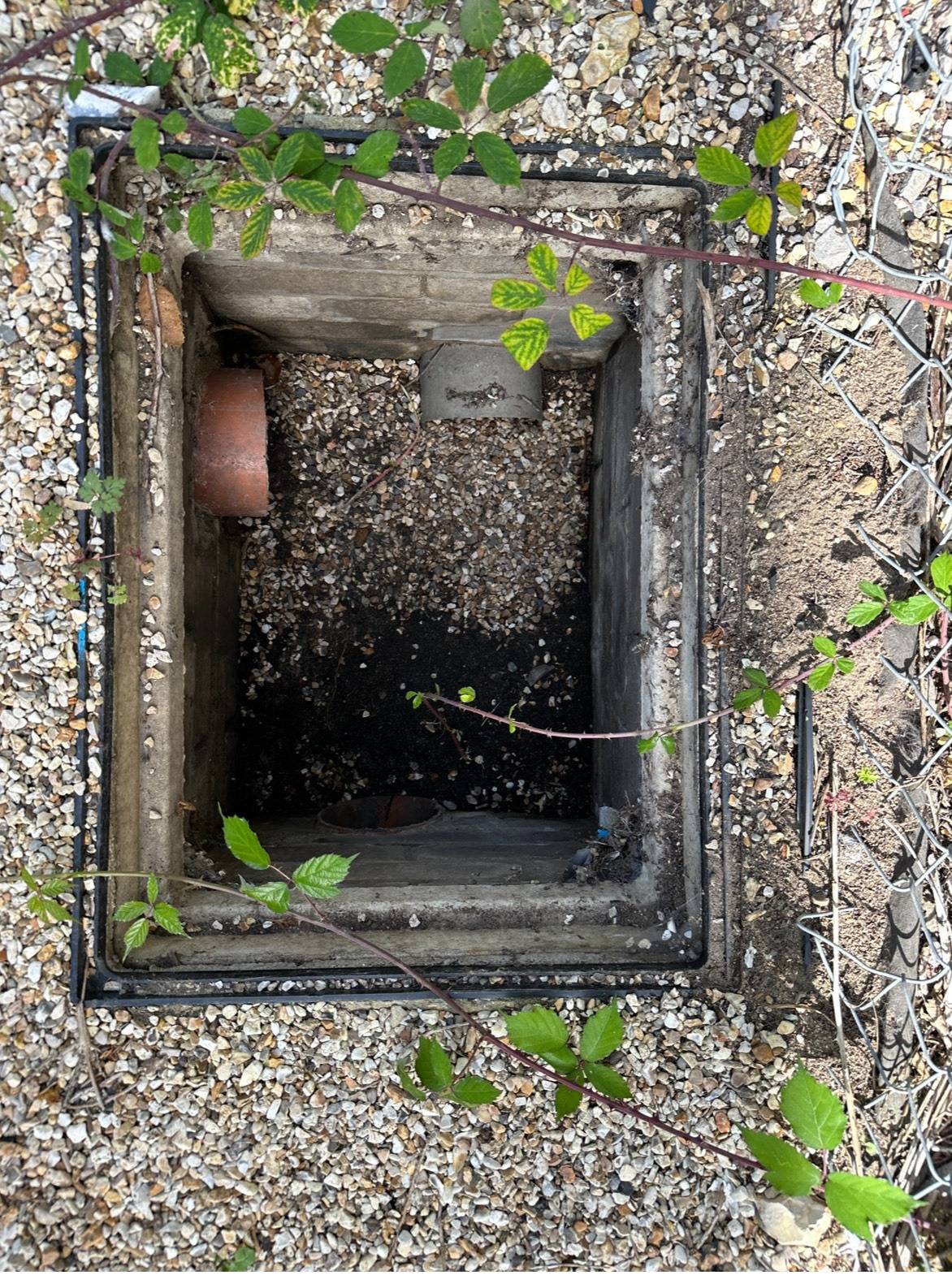
Drain repairs in Bournemouth vary greatly depending on the cause and severity of the issue. With a wide variety of property types across Westbourne, Boscombe, Charminster, Southbourne and the town centre, drainage problems can emerge for many reasons. Some systems are affected by ageing materials, while others experience damage from ground movement, root intrusion or heavy usage. Two of the most common repair methods used today are drain relining and traditional excavation. Although both methods restore the system, the approach is very different and it is important for homeowners and businesses to understand how they compare. Drain relining is a trenchless technique that repairs the inside of an existing pipe without the need for digging. A resin coated liner is inserted into the damaged section, inflated and left to cure. Once cured, it forms a smooth, strong new pipe within the old structure. This technique is ideal for properties in Bournemouth where ground disturbance needs to be kept to a minimum. Homes near the seafront, commercial sites in the Lansdowne area and properties with landscaped gardens often choose relining because it avoids excavation, reduces disruption and normally takes less time to complete. Relining is also a highly effective solution for cracks, minor collapses, leaks and root intrusion. Excavation is a more traditional method and involves digging down to expose the damaged section of pipe. Although it takes longer and requires more labour, excavation may be necessary when the pipe has collapsed severely, is completely misaligned or is beyond structural repair. In some situations, excavation provides the only reliable long term solution. It allows engineers to remove the damaged pipe entirely, replace it with new materials and ensure that the surrounding ground is secure. While excavation does involve more disruption, it can resolve issues that relining cannot, particularly in properties with very old infrastructure or extensive structural failure. Understanding the distinctions between these two repair methods helps property owners in Bournemouth make informed decisions. Relining is less invasive and often more cost effective, while excavation offers full access to the damaged area and provides a completely new pipe section. Both methods have their place, and the right choice depends on the condition of the drain, the depth of the problem and the type of property involved. A professional drainage engineer will assess the situation carefully using CCTV surveys and ground evaluation to determine which method will deliver the best result.
Drain relining has become one of the most popular repair methods throughout Bournemouth because it provides a strong, durable solution without major disruption. Many homeowners assume that excavation is always required when drains fail, but relining often resolves the issue without any digging at all. This is especially beneficial in neighbourhoods such as Southbourne, Winton, Meyrick Park and coastal areas where access can be limited or where gardens, patios and driveways are important features that homeowners do not want disturbed. Relining is ideal for pipes suffering from cracks, minor collapse, wear, corrosion, joint displacement or root intrusion. In these cases, the original pipe still retains enough structure for the liner to bond successfully. Once installed, the liner creates a watertight barrier that seals defects and prevents future ingress. This method is also useful for older systems where pipes have worn thin over decades of use. Instead of removing the old material, relining reinforces it internally and improves the overall flow performance. In Bournemouth’s mixed property landscape, with Victorian terraces alongside newer developments, this can save property owners considerable time and cost. Another major advantage of relining is the speed of the repair. Because there is little or no excavation involved, the work can often be completed in a single day. For Bournemouth businesses near the town centre, the Lansdowne area or the university districts, this reduced downtime is extremely valuable. Homes near the seafront also benefit because relining avoids the need to disturb paved areas or boundary walls, which can be expensive to reinstate. Additionally, relined pipes resist further deterioration well and can extend the lifespan of the system for decades. Relining also offers benefits for environmental and practical reasons. It reduces the disturbance of soil and surrounding ecology, which is particularly useful in conservation areas or properties with protected landscaping. For older homes in Bournemouth, where pipe depths may vary or access is restricted, relining simplifies the process and avoids the challenges associated with digging in confined or awkward locations. However, relining is not suitable for every situation. If a pipe has collapsed fully or large sections have been crushed, there may not be enough structure for the liner to hold. In such cases, excavation becomes necessary. The key to choosing relining is the condition of the pipe, which is assessed accurately through a CCTV survey. Once the suitability is confirmed, relining provides a cost effective, long lasting and minimally invasive repair that fits well with the needs of Bournemouth households and businesses.
Although drain relining offers many advantages, there are situations where excavation is the only appropriate repair method. Bournemouth properties with severely damaged or fully collapsed drains require full access to the pipe so the defective section can be removed and replaced. Excavation is a controlled and structured process, allowing engineers to reach the damaged area directly and inspect the surrounding ground. This ensures the repair not only replaces the pipe but also stabilises the soil around it, preventing similar failures in the future. Excavation is typically required when a pipe has suffered major collapse, has been crushed by soil movement or when large sections have become misaligned. In some Bournemouth neighbourhoods, older clay and cast iron systems have weakened significantly over time. Surface sinking, reoccurring blockages and persistent leaks can point to structural failure, which relining cannot address. In these situations, excavation allows the engineer to remove the decayed pipe entirely and replace it with modern materials that offer greater strength and resistance. Properties in areas such as central Bournemouth or around Richmond Hill sometimes face additional challenges because of heavy footfall, vehicle traffic and ageing infrastructure. Pipes located under busy pathways, commercial forecourts or shared access routes may need excavation to ensure the system is restored safely and complies with local standards. In addition, when pipes lie at shallow depths or near the surface, excavation may be more straightforward and cost efficient compared with relining. Another critical reason excavation may be required is when ground movement has caused significant structural disruption. Bournemouth’s varied soil conditions, especially closer to the coastline, can create shifting that puts pressure on older pipe systems. If the pipe has moved from its original alignment, a liner will not correct the issue. Excavation is the only method that allows engineers to reposition or renew the pipe correctly. Although excavation involves more disruption than relining, the long term stability it provides can justify the investment. Once the new pipe is installed, backfilled and compacted, the system becomes more resilient to future issues. With proper reinstatement of surfaces such as tarmac, block paving or turf, the affected area can be restored cleanly and safely. A professional drainage engineer will always determine whether excavation is necessary through a combination of CCTV inspections, ground assessment and structural evaluation. While relining is typically preferred due to its convenience and speed, excavation remains an essential method when dealing with severe failures. For Bournemouth property owners, knowing when excavation is required prevents repeated problems and ensures the drainage system performs reliably for years to come.
Step 1
Start by completing the 'Get a Free Quote' form on our website to share your needs with us.
Step 2
We'll arrange a property visit at a time that works for you to provide an in-person quote for you
Step 3
After you approve our quote, we'll schedule a date to complete the job.
Bournemouth
Dorset
Hampshire
Blanford Forum
Southampton
Basingstoke
Winchester
Dorchester
Salisbury